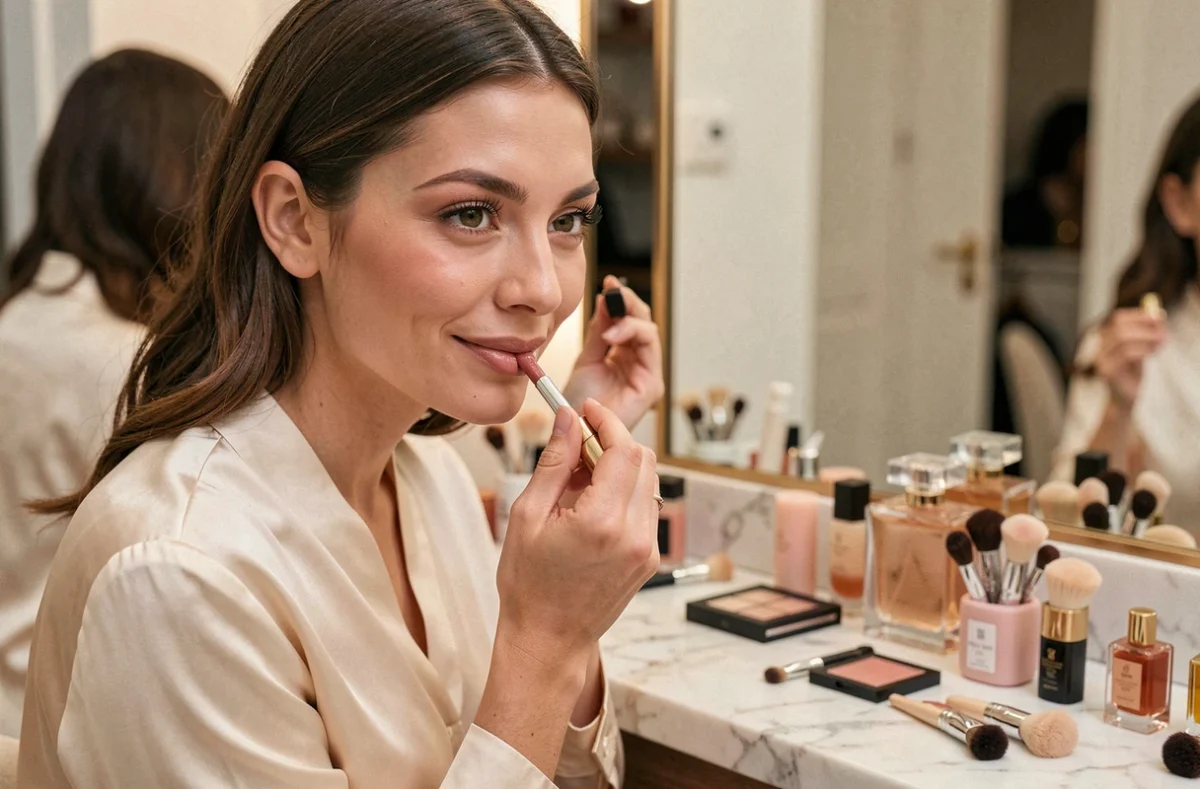
A long-lasting foundation that doesn’t hold as well as before, a reformulated waterproof mascara with no explanation on the packaging: since the beginning of 2026, the formulations of many makeup products have changed in France. The reason lies in new regulations, but also in creative trends pushing brands to revise their ranges. Let’s take stock of what is changing in the beauty aisle and the habits to adopt for smart shopping.
Ban on PFAS in makeup: what it changes in-store
French law n°2025-188 has prohibited since January 1, 2026, the manufacture, import, and marketing of cosmetics containing PFAS, whether their presence is intentional or not. The thresholds are drastic: 25 ppb per individual PFAS, 250 ppb for the sum of PFAS, 50 ppm of total fluorine.
In practical terms, long-lasting, waterproof products and smoothing bases are the most affected. PFAS were used to create that glide and waterproof hold associated with “second skin” foundations or water-resistant mascaras. New formulations are replacing these compounds with alternatives, but feedback varies on this point: some brands have found effective substitutes, while others offer textures that are noticeably different from what we were used to.
Additionally, the European regulation (EU) 2026/909 introduces new limits for common makeup ingredients. Triphenyl phosphate, widely used in nail polishes and certain makeup products, is now banned. Specific limits for aluminum compounds also apply to makeup products, in addition to antiperspirants and toothpastes.
Before buying, you can visit makeupme.fr for your purchases and compare the updated compositions of the products that interest you.
Autumn-Winter 2026 Makeup Trends: Intense Eyes Replace the Clean Girl
The clean girl trend, with its bare skin and subtle mascara, has dominated the last two years. We’re moving on. Fashion shows and looks spotted on social media are converging towards a bolder makeup style, where the eyes become the centerpiece of the face.
Reimagined Smoky Eye and Unexpected Colors on the Eyelids
The smoky eye is back, but not in its charcoal black version from the 2010s. We’re working with deep shades (burgundy, navy blue, forest green) blended in gradient. Editorial makeup, popularized by personalities like Chappell Roan or Zara Larsson, takes boldness a step further with vibrant colors worn during the day.
To achieve this type of look without resembling a panda by the end of the evening, two points matter:
- A setting base on the eyelids, applied with the finger, that prevents the eyeshadow from migrating into the creases over time
- A clean blending brush (not the one used to apply the color) to blend the edges without mixing everything
- A kohl pencil in the lower waterline instead of a graphic eyeliner, which adds intensity without freezing the gaze
Blurry Red Lips and Generous Blush
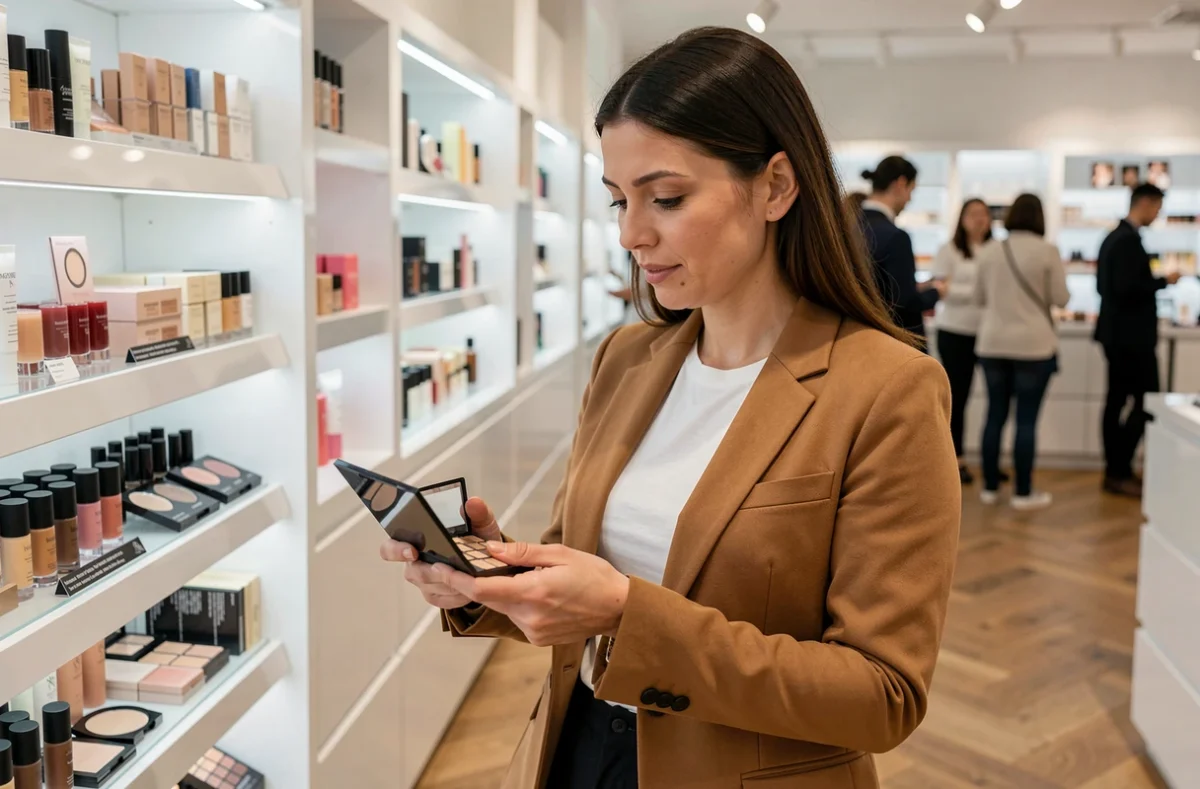
On the lips, the red trend remains strong but changes in texture. We forget about ultra-precise matte lipsticks. The blurry lip, slightly blended beyond the natural contour, gives a bitten effect that works well both at the office and in the evening. Apply the color to the center of the lips, then tap outward with your finger.
Blush, on the other hand, is worn high on the cheekbones and in more generous quantities than before. Liquid or cream formulas facilitate a natural finish that blends with the skin, provided they are worked quickly before they dry.
Shopping Tips for Buying Makeup in 2026
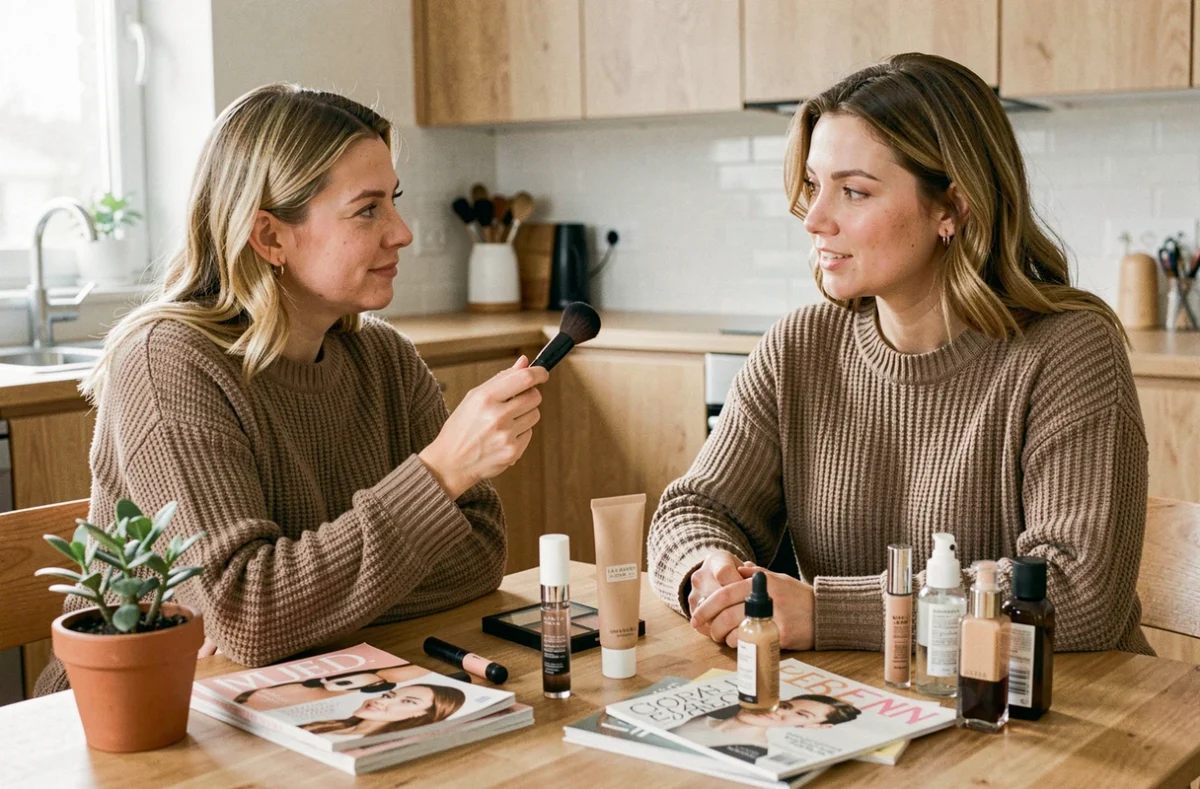
The reformulations related to the ban on PFAS create an unprecedented situation: cult products are changing their formulas without changing their names. Reading the INCI list before repurchasing a usual product becomes a necessary reflex. A foundation bearing the same name as in 2025 may have different wear, finish, or coverage.
Here are some concrete guidelines to avoid mistakes:
- If a waterproof product costs significantly less than before, check if it still contains effective film-forming agents or if the formula has been simplified
- The mentions “PFAS-free” or “compliant with law 2025-188” are starting to appear on packaging and online product sheets, making sorting easier
- For nail polishes, the ban on triphenyl phosphate alters the wear and shine of many references: testing a mini-size before investing in a full bottle remains the most economical strategy
- Comparing compositions across multiple sites allows you to spot brands that have invested in quality substitutes
Organic Makeup and Clean Formulas: Analyzing Labels
The term “clean” does not correspond to any regulatory definition. A product labeled clean beauty can contain synthetic ingredients that are perfectly compliant, while a certified organic product (Cosmos, Ecocert) meets specific criteria regarding the origin of raw materials.
Organic certification does not guarantee better makeup wear, but it effectively excludes PFAS and triphenyl phosphate. For those with sensitive or reactive skin, it’s a useful selection filter. The textures of organic makeup have improved in recent years, especially in mascaras and eyeshadows, although the shade ranges can sometimes be more limited than those of conventional brands.
A often overlooked point: the expiration date after opening (the PAO symbol on the packaging). Formulas without synthetic preservatives degrade faster. An organic mascara opened for more than three months loses performance and can promote eye irritation.
With the new French and European regulations, the composition of makeup products is evolving faster than shopping habits. Taking a few seconds to check an ingredient list or test a smaller format before committing is the most cost-effective shopping gesture of the season.