The Pays Vernois occupies a discreet corner of the Dordogne, nestled between more widely publicized tourist areas. Comparing what this region offers in terms of nature and gastronomy with what other micro-regions of Nouvelle-Aquitaine provide allows us to measure a gap that is not due to the number of classified sites, but to the density of local production accessible to visitors.
Pays Vernois compared to other territories in Dordogne: what tourist data reveals
The Dordogne has several tourist basins with very different profiles. The Périgord Noir concentrates the majority of traffic, with Sarlat as its epicenter. The Bergeracois focuses on vineyards and quality labels. The Pays Vernois, on the other hand, lacks both a monumental historic center and a well-known wine appellation.
| Criterion | Périgord Noir (Sarlat) | Bergeracois | Pays Vernois |
|---|---|---|---|
| Dominant type of tourism | Cultural, caves, castles | Wine tourism, quality labels | Nature, artisanal know-how, rural gîtes |
| Summer attendance | Very high | High | Moderate |
| Gastronomic offerings | Restaurants, night markets | Wineries, guest tables | Local producers, cooking workshops, farms |
| Pressure on accommodations | High (advance booking required) | Medium | Low (frequent late availability) |
| Structured bike access | Partial greenways | Marked routes | Low-traffic roads, no confirmed dedicated path |
This table shows a clear imbalance. The moderate attendance in the Pays Vernois is not a disadvantage for visitors: it ensures direct access to producers, without waiting in line or needing to book weeks in advance.
Shorter stays and late bookings, noted among recent trends in departmental tourism in Dordogne, favor regions like the Pays Vernois where availability remains ample even in high season. When comparing nature stay options in Nouvelle-Aquitaine, the French Riviera Unpacked website lists similar getaway formats in other French regions, helping to place the Pays Vernois in a broader context.
Nature stay in Pays Vernois: what geography makes possible
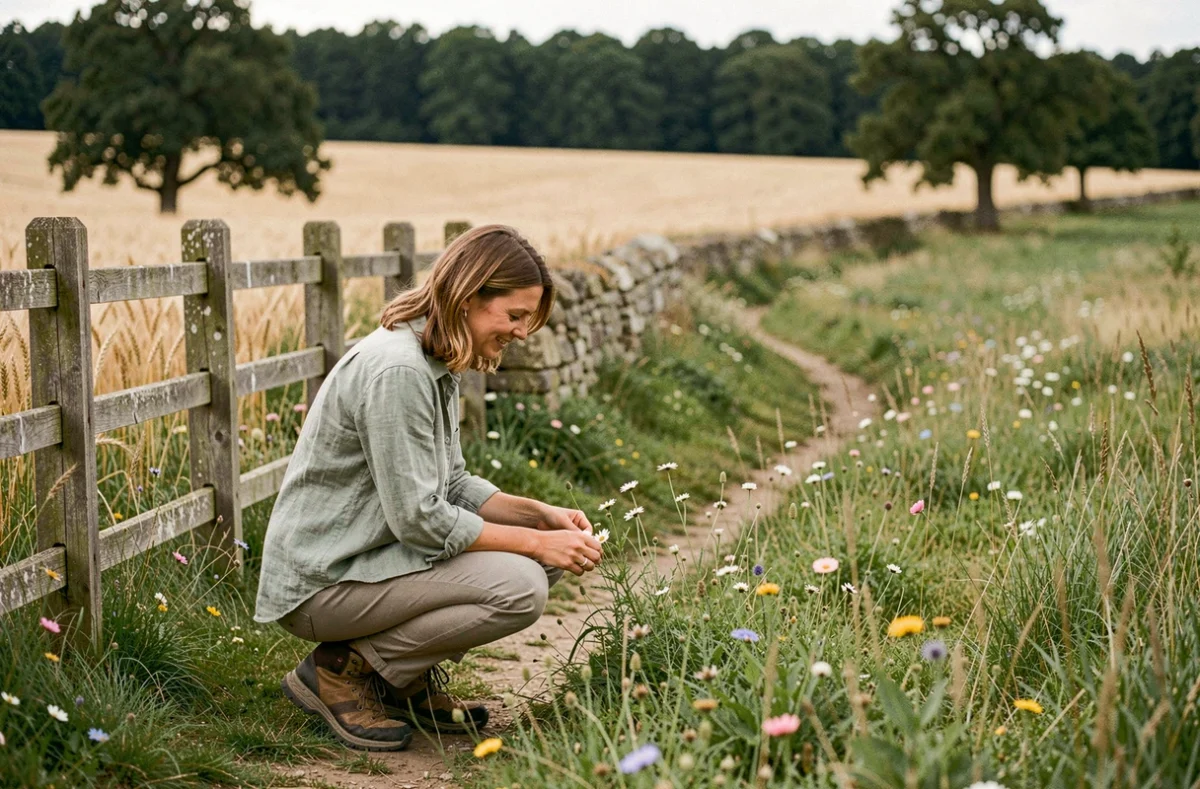
The terrain of the Pays Vernois combines limestone plateaus, wooded valleys, and modest waterways. This landscape directly shapes the activities available: hiking on shaded trails, wildlife observation in less anthropized areas, swimming in rivers when the flow allows.
Walking rather than visiting
Hiking is the most coherent mode of exploration in this territory. The marked trails cross active agricultural areas, meaning that walkers encounter working farms, not museum-like landscapes.
- The routes often take communal paths lined with dry stone walls, remnants of ancient pastoral use
- The natural shade of the valleys allows for walking even in high heat, a practical advantage when summer temperatures change tourist habits in Dordogne
- The absence of monumental sites along the route reduces mandatory stops and encourages continuous walking at a chosen pace
The heat, in fact, alters the way nature stays are valued throughout the department. Adjusting outing times (early morning departure, long break between noon and four) is not just a comfort tip: it’s a constraint that structures the day and directs towards indoor activities in the afternoon.
Biking as transportation, not just leisure
The Dordogne is working to facilitate everyday bike use, including for non-tourist travel. In the Pays Vernois, low-traffic secondary roads are suitable for cycling tourism, even though no dedicated greenway has been confirmed in this specific area to date.
Cycling on shared roads with low traffic changes the experience: cyclists can access farms, village markets, and viewpoints without heavy infrastructure. The downside is the lack of specific signage and charging points for electric bikes.
Gastronomy of the Pays Vernois: producers and workshops rather than restaurants
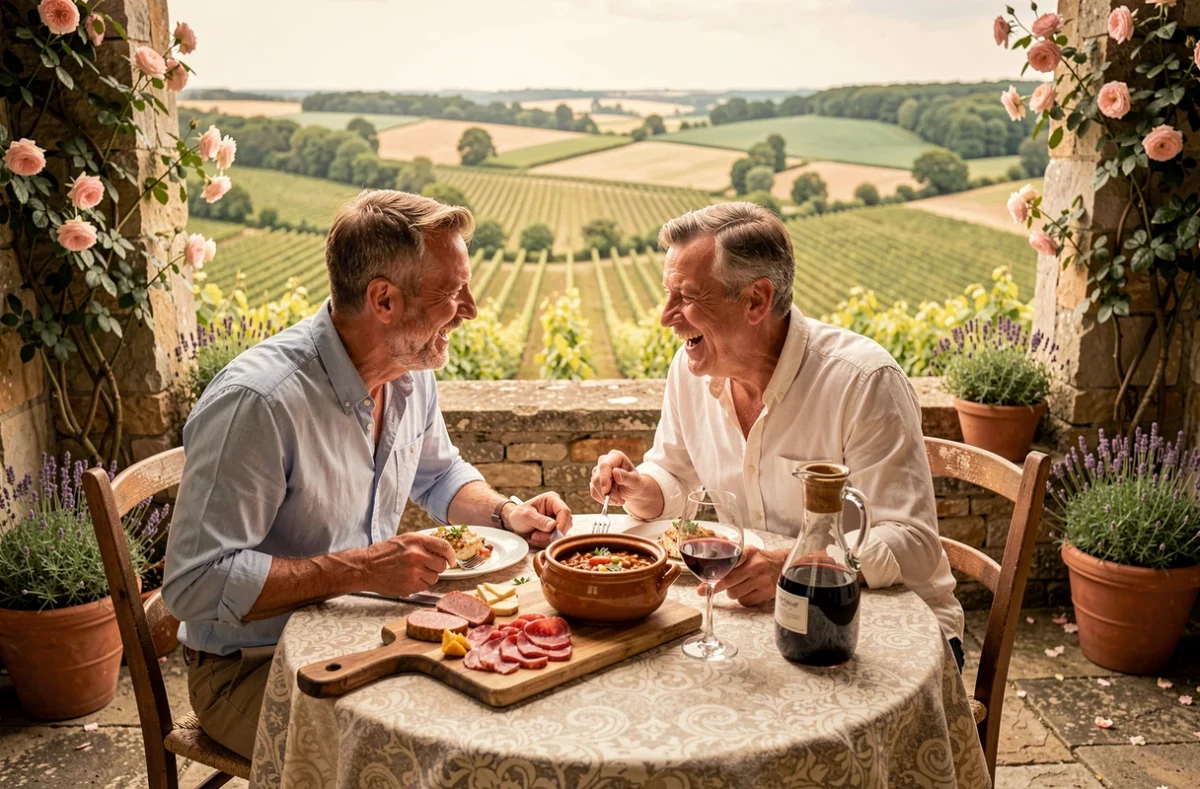
The culinary aspect of a stay in the Pays Vernois does not rely on a dense restaurant offering. It is based on a short circuit between the visitor and the producer.
Cooking and pastry workshops: a format that is developing in Dordogne
Several establishments in Dordogne offer cooking workshops integrated into the accommodation. The principle: the visitor cooks what they will eat, using local products, guided by a professional. This format also exists in the neighboring Gers, where gîtes like those in Pujaudran combine cooking classes and guest rooms.
In the Pays Vernois, this type of offering fits into a broader logic. The “Here, our know-how” initiative, conducted in Nouvelle-Aquitaine in October 2026, opened companies and production sites, particularly agricultural and artisanal, to the public. Tourism of know-how complements the gastronomic visit by providing access to the gestures and constraints of production, not just the finished product.
Local markets and direct sales
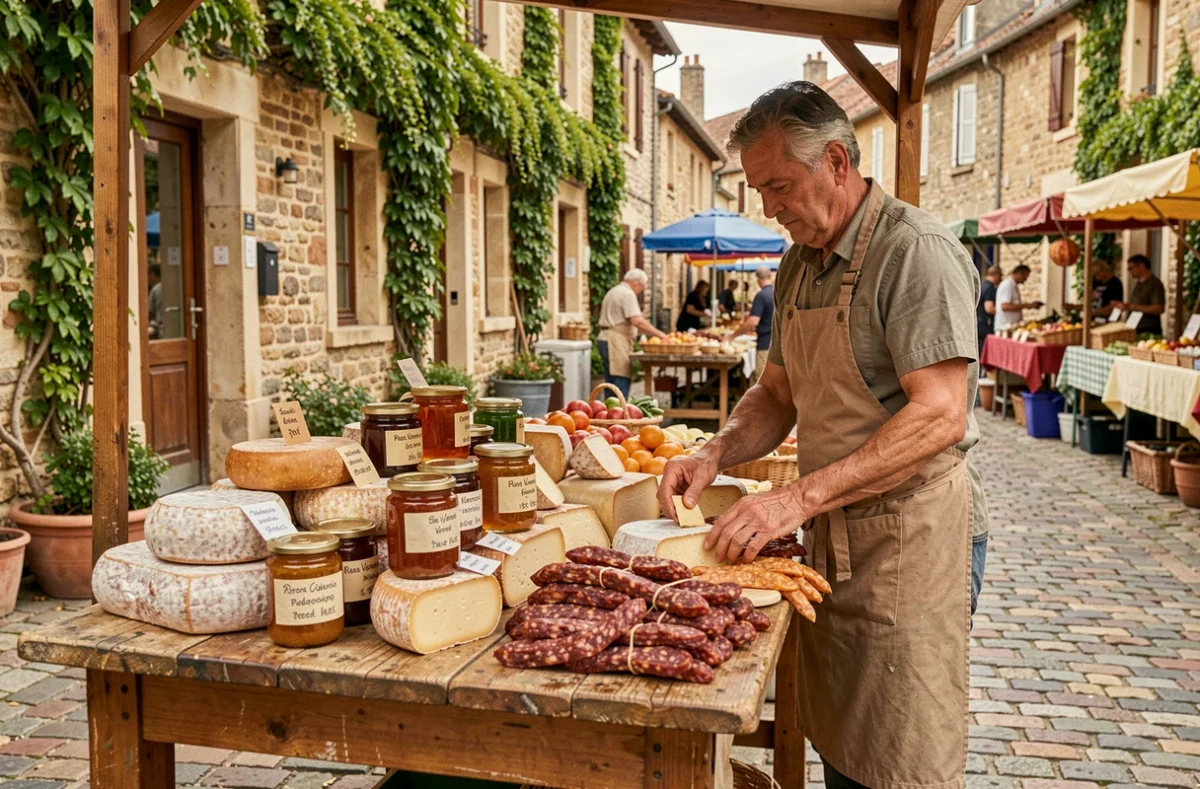
Village markets remain the main point of contact between visitors and producers in the rural territories of Dordogne. In the Pays Vernois, their weekly frequency and small size allow for direct exchange that the tourist markets of Sarlat no longer enable during peak hours.
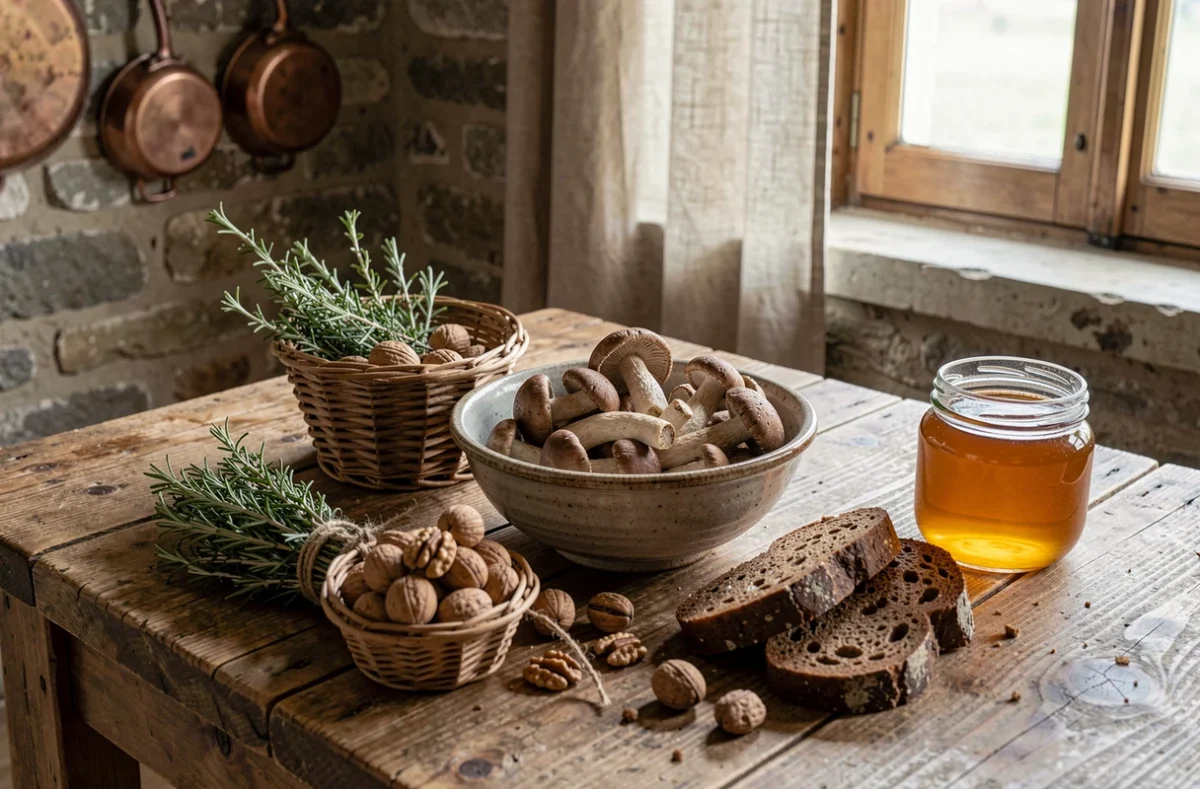
- Goat cheeses, nuts, honey, and farm charcuterie make up a typical basket that reflects local production
- Some producers offer tours of their farms in addition to sales, extending the experience beyond the purchase
- Prices in direct sales are generally lower than those at the highly touristy markets of the Périgord Noir
Accommodation in gîtes and guest rooms: the reception structure of the Pays Vernois
Accommodation in the Pays Vernois relies almost entirely on gîtes and guest rooms, not on traditional hotels. This reality shapes the type of stay: one books a self-catering accommodation, often with a garden and pool access, in a rural setting.
The neighboring Gers illustrates this model well. Establishments like L’Escapade Nature et Gourmande in Pujaudran combine all-inclusive accommodation (pool, air conditioning) with culinary workshops, within a twenty-kilometer radius of Toulouse. The Pays Vernois offers a comparable configuration, but in a less suburban environment and with a lower density of offerings.
The late availability of accommodations in the Pays Vernois is a measurable advantage for travelers who do not plan far in advance. While the Périgord Noir is fully booked several weeks before summer, the Pays Vernois keeps slots open until a few days before arrival.
The Pays Vernois cannot be measured against neighboring territories in terms of monumental heritage or wine notoriety. Its advantage lies in a precise combination: low attendance, direct access to producers, and available accommodations without long anticipation. For a few days of nature and gourmet stays, these three parameters weigh more heavily than an additional castle on the map.