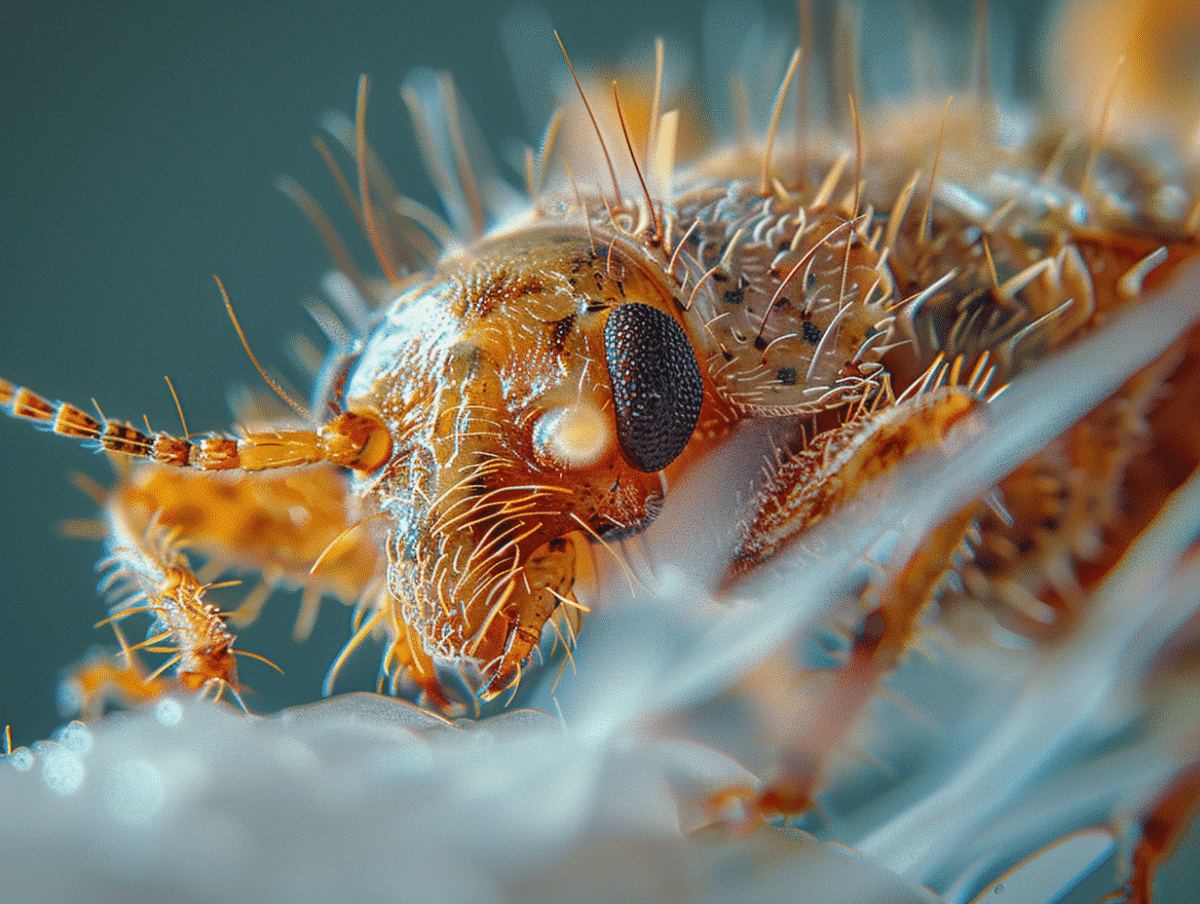
Bed bugs, small nocturnal parasitic insects, are becoming an increasing concern in urban and rural households. Their ability to hide and multiply rapidly raises questions about their biology. Where do they come from and how do they spread so effectively? Their resilience to common treatments challenges modern science and pushes for new prevention methods. Understanding their ecology and behavior is essential for developing effective control strategies and limiting their impact on public health as well as on the quality of life of affected populations.
The Biological Mysteries of Bed Bugs: Understanding Their Origin and Spread
Where do bed bugs come from? This question, far from being anecdotal, is at the heart of intensive research. Entomologists primarily distinguish between two species: Cimex Lectularius, common in temperate regions, and Cimex Hemipterus, better suited to tropical climates. These subtle and discreet bloodsuckers have adapted to coexist with humans, their main food source, for thousands of years. Their exact origins remain unclear, but their presence is documented long before the rise of great civilizations.
The spread of bed bugs is facilitated by their unique mode of reproduction: traumatic insemination. This process, where the male pierces the female’s abdomen to inject his sperm, gives the species a rapid multiplication capability. Bed bugs also seize every opportunity to move from one place to another, taking advantage of luggage, clothing, and furniture during moves or travels.
These insects have also developed a remarkable ability to survive in unfavorable conditions thanks to the phenomenon of diapause. In cold periods or in the absence of a food source, bed bugs enter a state of biological rest that allows them to persist for long months without feeding. This process partly explains the difficulty in eradicating them once they have settled in an environment.
Their resilience is such that methods for combating bed bugs must constantly be reevaluated and adapted. Resistance to insecticides, for example, is a very real phenomenon that challenges traditional chemical solutions. In the face of this adversity, science and prevention strategies must innovate to remain effective, combining mechanical, physical, and biological approaches in the quest to stem the advance of these insidious parasites.

Prevention Strategies and Methods for Combating Bed Bugs
In the face of the threat posed by bed bugs, prevention proves to be the first line of defense. Thorough cleaning of living spaces is an essential barrier against infestation. Regularly vacuuming mattresses, box springs, and corners where these insects might hide significantly reduces the risk of proliferation. Similarly, washing sheets and clothes at high temperatures helps exterminate these stowaways.
When prevention fails, control becomes necessary. Synthetic insecticides, long seen as a panacea, now face the insecticide resistance developed by bed bugs. This biological adaptation limits the effectiveness of chemical treatments and forces researchers and professionals to rethink their eradication strategies.
In this context, natural treatments are gaining popularity. Diatomaceous earth, for example, is a natural powder that, when applied correctly, can pierce the exoskeleton of bed bugs and dry them out. Essential oils, although less scientifically proven, are also used for their repellent and insecticidal potential.
However, these methods should not overshadow the need for an integrated pest management approach. Combining physical interventions, such as using bed bug-proof covers for mattresses, with chemical or natural measures offers a more comprehensive response. Advocating vigilance during travels and the purchase of second-hand furniture is also fundamental to limit the spread of these pests. Combating bed bugs requires a deep understanding of their biology and concerted efforts to adapt prevention and treatment methods to their incredible resilience.