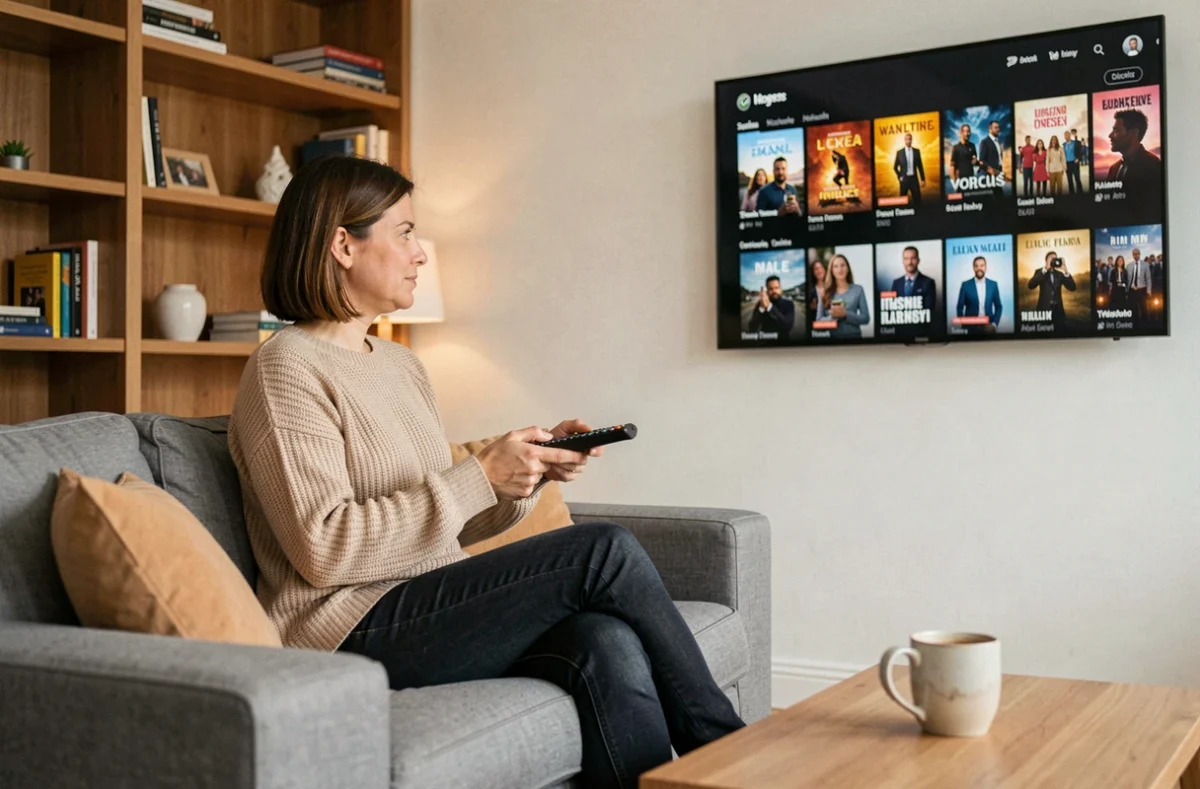
The programming for October 2026 confirms a structural shift: SVOD platforms are primarily aligning franchise returns rather than new creations. Netflix is scheduling Lupin part 4, La Diplomate, Nobody Wants This, and several already established anime. This calendar is not a grid accident; it is a deliberate catalog strategy.
TV Series Designed as Multiplatform Assets: Franchise Logic Prevails Over the Pilot
The standalone series designed for a single screen belongs to a bygone cycle. We are now observing a design process from the development stage that integrates multiplatform adaptation as a greenlight parameter. A project that does not generate potential for spin-offs, merchandise, or extensions on a second platform statistically has less chance of being commissioned.
Netflix, Prime Video, and Canal+ structure their slates around recurring brands. The common point: each title is designed to feed a pipeline of content over multiple seasons.
This approach has an editorial cost. Projects with high narrative risk, experimental short formats, and anthologies without recurring characters struggle to find their place in subscriber retention-oriented catalogs. To keep up with the latest news on the Serie Tv Forum site, one often has to read between the lines of renewal announcements to spot true original creations.
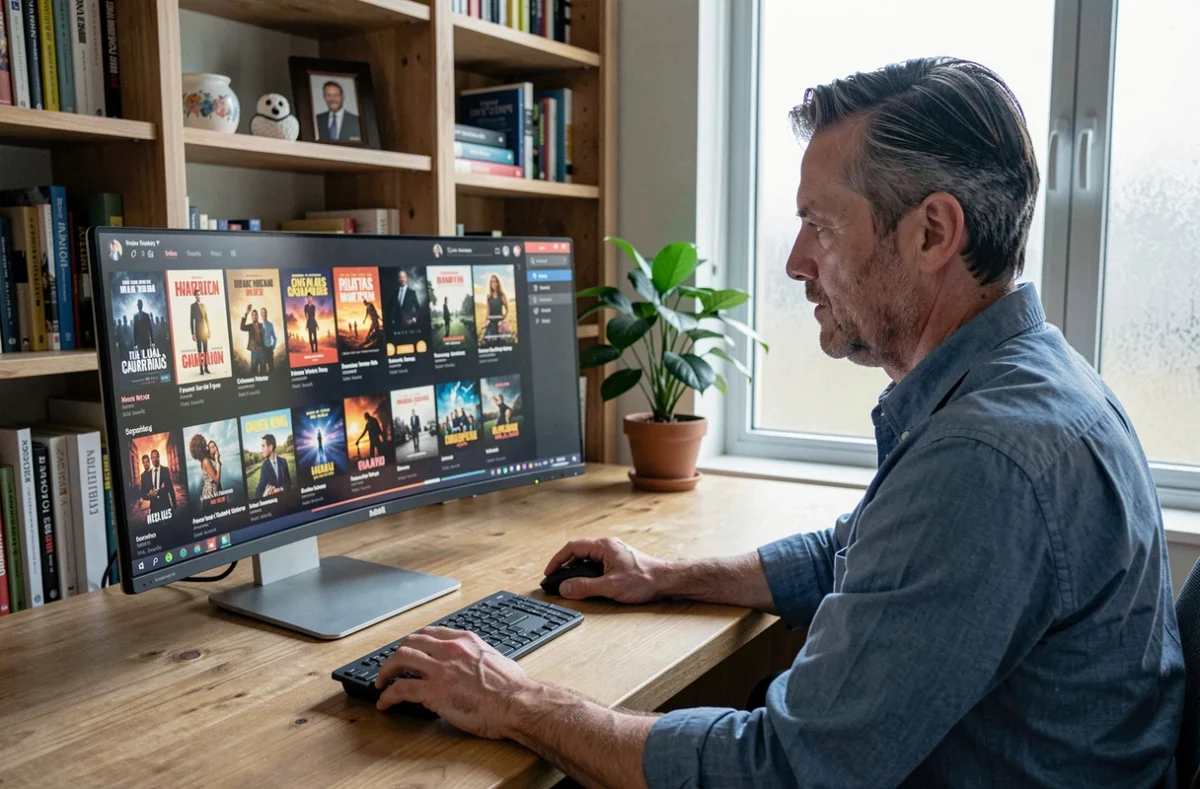
Linear Television and SVOD: Convergence of Broadcast Schedules in France
The boundary between public television and platforms is fading. France Télévisions is launching Sœurs on france.tv with an event-driven scheduling logic borrowed from streamers. TF1 is co-producing a mini-series with Netflix. These arrangements are no longer exceptions: they are becoming the norm for financing ambitious French fiction.
Linear television is not disappearing; it is changing function. It serves as a promotional showcase for content that is then available for replay or on a partner platform. Arte continues to offer fictions and documentaries in digital preview, further blurring the distinction between first terrestrial broadcast and streaming launch.
This convergence phenomenon is also changing viewing habits. The audience no longer chooses between television and streaming; they navigate between the two depending on the title. A drama on France 2 is watched live, then caught up on the platform. A Netflix comedy is consumed in a binge, then fuels conversation on social networks.
Consequences for French Production
French producers must now design their projects to satisfy two contradictory logics: the weekly appointment of linear television and the immediate availability of the SVOD catalog. This dual constraint weighs on writing, episode pacing, and season length.
- Seasons are shortening (six to eight episodes instead of ten or twelve) to adapt to co-production budgets and fast consumption formats
- The season-ending cliffhanger becomes a negotiation tool for renewal, not just a narrative choice
- Castings include profiles with high visibility on social networks, a criterion that weighs as much as suitability for the role in certain decisions
Arcom Consultation on the Future of DTT: An Issue Absent from the Editorial Debate
Arcom opened a public consultation on the future of terrestrial broadcasting on April 24, 2026, which closed on June 15, with a white paper announced for 2027. This regulatory timeline largely goes unnoticed in the editorial coverage of series, yet it directly conditions the future of television fiction in France.
If DTT evolves towards a hybrid model or reduces its scope, the obligations for producing and broadcasting original fiction imposed on terrestrial channels will be renegotiated. The quotas for French audiovisual production, broadcasting windows, and CNC funding are linked to the current terrestrial architecture.
We recommend closely monitoring this issue. A restructuring of DTT would change the volume of French series produced each year. Public and private channels could reduce their commitments to fiction if their broadcasting model changes, which would further shift production towards international platforms.

Resumption of Series Orders in the United States: What It Means for the French Market
The number of scripted series ordered by major American networks is on the rise again. This resurgence, following the contraction after the 2023 strikes, indirectly nourishes the French market. French distributors are negotiating broadcasting rights for these new productions, and the competition among buyers (Canal+, Netflix France, Prime Video, Warner TV) is driving up acquisition prices.
For the French viewer, this resurgence translates into an influx of new titles on SVOD catalogs in the coming months. Prime Video is betting on the adaptation of Carrie by Stephen King. The density of the offering complicates choice, but it also signals a return of confidence from studios in the serial format.
- Literary adaptations dominate orders, including the adaptation of Carrie by Stephen King
- Sequels and renewals represent the majority of announcements, confirming the franchise strategy
- Original creations without pre-existing IP remain a minority in the slates of the majors
Impact on Editorial Diversity
This concentration around known IP raises a fundamental question. Editorial risk decreases, but so does the diversity of narratives. The most discussed series of October 2026 are almost all sequels, adaptations, or spin-offs. Fiction projects without a pre-existing brand find refuge on Arte, on public channels, or in festivals.
The TV series market now operates like that of blockbuster cinema: franchises capture attention and budgets, while auteur projects seek out niche distribution. Keeping up with series news requires looking beyond renewal announcements to spot creations that, without protective IP, are trying to exist in a landscape saturated with sequels.